Hazmat Labels & Requirements
Download the required labels for shipping hazardous materials. Proper labeling is required by federal regulations.
Important: Your Responsibility
As the shipper, you are legally responsible for properly identifying, packaging, and labeling hazardous materials. We provide these labels for your convenience, but it is your duty to ensure compliance with all applicable regulations.
All Hazmat Labels
Click on each label for details and download options
Lithium Batteries
Lithium-ion and lithium metal batteries in devices or standalone
Lithium-Ion Batteries in Equipment
Batteries contained in or packed with equipment (phones, laptops, tablets, cameras, drones)
Lithium-Ion Batteries Standalone
Batteries shipped alone without equipment - strict restrictions apply
Flammable Materials
Flammable liquids, gases, and solids
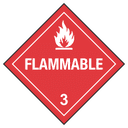
Flammable Liquids (Class 3)
Liquids with flash point below 60°C including perfumes, nail polish, and solvents
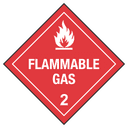
Flammable Gases (Class 2.1)
Gases that are flammable when mixed with air
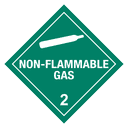
Non-Flammable Gases (Class 2.2)
Compressed gases that are not flammable
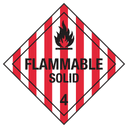
Flammable Solids (Class 4)
Solids that are easily ignited and burn readily
Aerosols & Consumer Goods
Spray products and limited quantity items

Limited Quantity (LQ)
Consumer commodities in small quantities that qualify for easier shipping
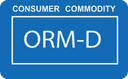
ORM-D Consumer Commodity
Legacy designation being phased out - replaced by Limited Quantity
Dry Ice & Frozen Goods
Dry ice for frozen shipments
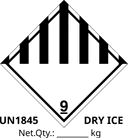
Dry Ice (UN1845)
Solid carbon dioxide used for cooling perishables and medical specimens
Chemicals & Corrosives
Toxic substances, corrosives, and oxidizers
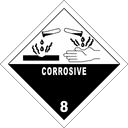
Corrosives (Class 8)
Substances that cause visible destruction or damage to living tissue
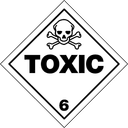
Toxic Substances (Class 6)
Substances that are toxic if inhaled or swallowed
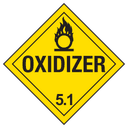
Oxidizers (Class 5.1)
Substances that can cause or enhance combustion of other materials
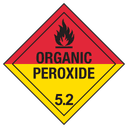
Organic Peroxides (Class 5.2)
Organic compounds containing the peroxide structure
Biological & Infectious
Biological samples and infectious substances
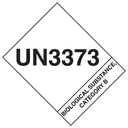
Biological Substance Category B (UN3373)
Biological substances that do not meet Category A criteria
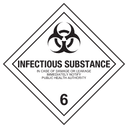
Infectious Substances (Category A)
Substances capable of causing permanent disability or fatal disease
Magnetized Materials
Strong magnets that may affect aircraft navigation
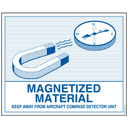
Magnetized Material
Materials with magnetic field strength that may affect aircraft instruments
Need Help?
If you're unsure whether your shipment requires hazmat labeling or which labels to use, our support team can help.
Contact SupportDisclaimer: The labels and information provided on this page are for reference purposes only. We help you find the appropriate hazmat labels, but it is your responsibility to verify all requirements, dimensions, and specifications with your carrier and applicable regulations before shipping. Always confirm that the labels meet current DOT, IATA, and carrier-specific requirements.