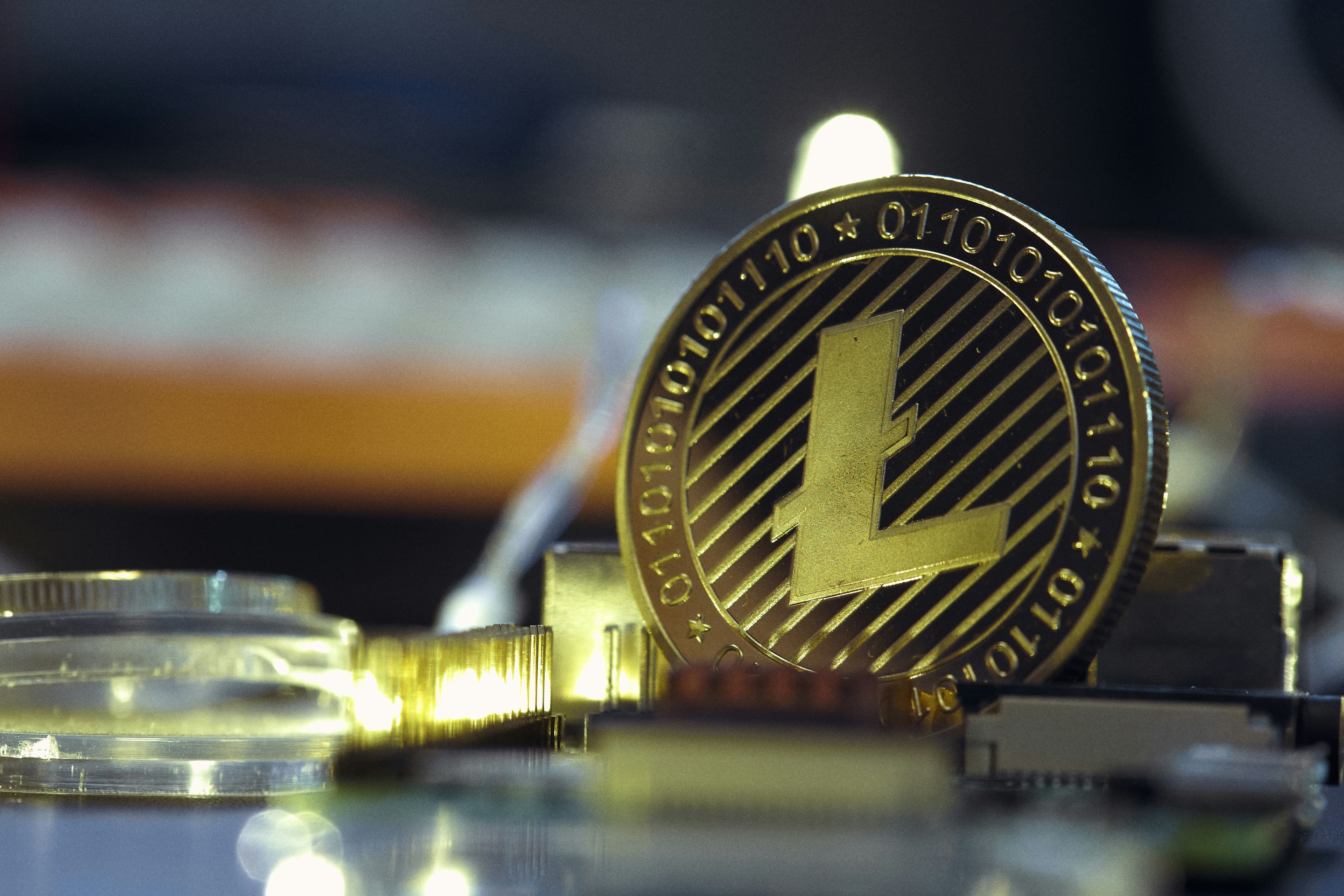
Digital currencies are emerging as a preferred payment method across industries, including shipping and logistics. These days, you can pay for postage and print shipping labels using your preferred cryptocurrency, with major carriers supporting this innovative payment option. However, this option is not available directly from the carrier websites themselves. You’ll have to use a third-party site that facilitates crypto payments for postage.
If you prefer the more cost-effective Litecoin, one question you have to ask yourself before buying postage with crypto is, “Is Litecoin postage legit?” Let’s explore the question from multiple angles and how Litecoin postage works.
Understanding Litecoin and Its Place in Payments
To help you assess the legitimacy of Litecoin postage, you must first understand how it works. If you prefer Litecoin (LTC) over other popular crypto, you’re aware that it’s a more cost-effective alternative to Bitcoin (BTC) and other alt coins. It’s also powered by blockchain technology, but is designed to have faster block confirmation times and lower transaction fees.
These key characteristics make LTC suitable for everyday transactions, and contribute to its large and active user base. It’s a practical option for micropayments or point-of-sale payments, like postage.
Using Litecoin for Postage
To use Litecoin for postage, you need to find a third-party, crypto-enabled postage platform, like Uspostage.io. These platforms serve as a payment gateway that allows users to purchase postage for traditional carriers, like USPS, UPS, and FedEx.
Uspostage, in particular, accepts all major crypto, including Bitcoin (BTC), Litecoin (LTC), Ethereum (ETH), Bitcoin Cash (BCH), Dogecoin (DOGE), and USD Coin (USDC). The platform supports major carriers: USPS, FedEx, UPS, DHL, and Canada Post.
To purchase postage, you just need to provide the package information and sender and receiver details. Select your preferred service and crypto, complete the payment, and generate your shipping label in minutes.
When you use LTC or other crypto for postage, the payment goes directly from your wallet to the payment processor via blockchain’s decentralized network. The transaction, therefore, benefits from blockchain technology’s transparency, security, and immutability. Using LTC gives you the additional benefit of faster block confirmation and lower network fees.
Is Litecoin Postage Legit? How To Choose the Right Platform
Again, you can’t purchase postage with crypto directly from a carrier’s website. You have to rely on a crypto-enabled postage platform that supports major carriers. The service is legit, and the shipping labels you generate are authentic and accepted by your chosen carrier.
So, the next important consideration is the platform’s legitimacy. To ensure that the Litecoin postage is legit, the site has to be legit. There are a lot of platforms that offer crypto postage; how do you choose the right one?
Find a platform that integrates directly with major carriers and accepts major crypto for label purchases.
Choose a service that provides labels in multiple formats: PNG (for viewing), PDF (for printing), ZPL (for Zebra thermal printers), and EPL2 (for Eltron thermal printers).
Make sure the platform provides transparent pricing, a clear payment flow, and secure checkout (using HTTPS encryption).
A legitimate service also provides traceable transaction IDs and tracking numbers that work on official carrier tracking systems, as well as comply with regional financial regulations.
Choose a site that doesn’t ask for your personal information or, specifically, your credit card or bank info.
Uspostage offers all of the above, and more. The platform also offers international shipping, automatic address validation, and label returns in exchange for crypto. Security is crucial when buying postage with crypto because crypto transactions are irreversible.
Common Misconceptions About Litecoin Postage
There are some misconceptions about crypto postage that often lead people to doubt its legitimacy. Let’s bust the most common ones.
Myth #1: “Litecoin postage must be processed directly by the carrier.”
In reality, most crypto-to-postage services work via a gateway or a third-party platform. The service accepts LTC or other crypto and converts it into fiat for the carrier. This is a standard model across industries, i.e., this is how other sites that let you pay bills or buy gift cards with Bitcoin also operate.
Myth #2: “If a platform isn’t massive, it can’t be real.”
The crypto landscape is still relatively new and continuously evolving. It includes many niche services that operate legitimately but haven’t gone mainstream. The platform’s size alone doesn’t determine trustworthiness.
Myth #3: “Crypto payments aren’t accepted by postal carriers.”
Carriers often do not accept crypto directly as payment, but they do accept labels purchased with crypto via intermediaries that convert crypto payments into fiat currency.
Risks and Red Flags to Watch For
Litecoin postage is a legitimate service; however, there are risks you should be aware of:
Scam platforms do exist. These are websites that claim to offer Litecoin, Bitcoin, or crypto postage, but are actually phishing for crypto payments and don’t issue valid labels at all. Always confirm that the label you generate has a tracking number recognized by the carrier.
Poor security practices that should make you extremely wary of the platform primarily involve requiring that you provide your private keys, access to your wallet, and/or passwords or recovery phrases.
A lack of refund policy is another red flag. A legitimate postage service should allow users to cancel and issue a refund for unused labels.
Hidden or excessive markup on postage prices doesn’t automatically make a service illegitimate. However, it should make you reconsider the trustworthiness of the platform.
Using Litecoin for Postage: Safety Tips
Take note of the following best practices when using Litecoin for postage:
Use a reputable platform. Look for transparent pricing, support for major carriers and crypto, a clear refund policy, secure checkout, and good reviews.
Always confirm the tracking information via the carrier’s official tracking page.
If it’s your first time using a platform, test it with a low-value shipment first.
Use secure wallets. Combining a cold and hot storage wallet is always best. Always enable multi-factor authentication, and never share your private keys.
Keep a record of all your receipts, wallet transactions, and label IDs in case of disputes or audits.
Make sure you’re familiar with local tax rules, reporting requirements, anti-money-laundering regulations, and other local compliance rules for crypto transactions.
Final Verdict: Is Litecoin Postage Legit?
Yes, Litecoin postage is legitimate, but with conditions. Purchasing postage with LTC and other crypto is a legitimate practice; platforms that enable crypto payments for postage are a legitimate service. This option is oftentimes a more convenient and cost-effective payment method for shipping labels, compared to traditional payments.
If you’re concerned about legitimacy, you should instead practice caution when choosing a crypto postage platform. A trustworthy service must issue real, trackable, and carrier-recognizable labels. It must offer transparent pricing and refund policies, and a secure experience from start to finish.