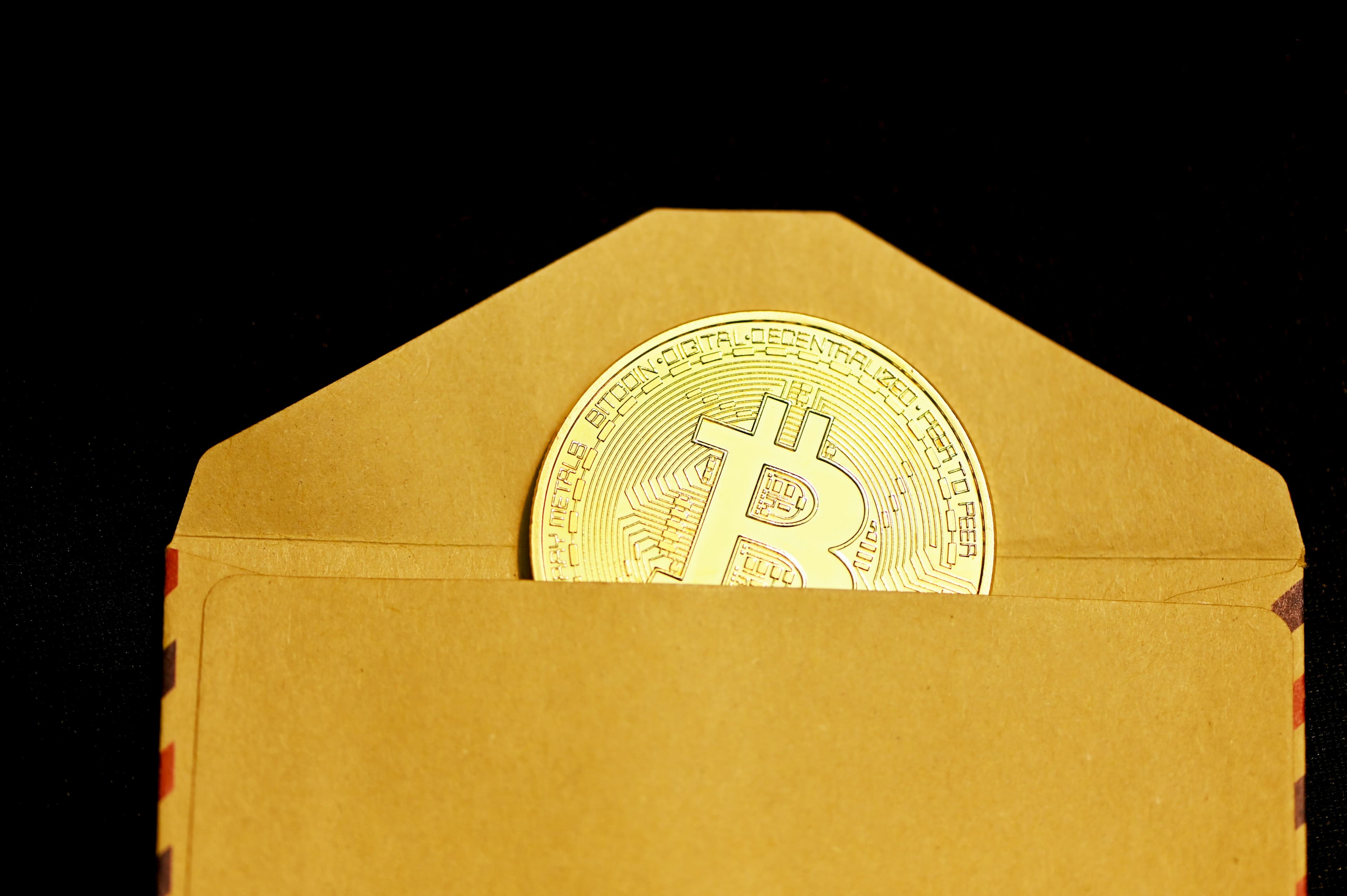
Crypto adoption is expanding beyond investing and online shopping, and into practical business operations. If your business regularly ships products, you can use crypto like Bitcoin to purchase shipping and packaging materials. This article guides you through buying shipping and packaging materials with crypto/Bitcoin.
Why Businesses Are Turning to Crypto for Packaging Purchases
For online stores, a fulfillment center, or a home-based shipping operation, shipping and packaging materials are recurring operational expenses. These may include boxes, padded mailers, protective packaging, tape, and labels.
Using Bitcoin or other crypto for these purchases offers several advantages over traditional payment methods. Crypto transactions are borderless, more cost-effective, settle faster, and offer enhanced privacy.
For businesses that already hold cryptocurrency, using it to pay for shipping expenses can help streamline payments and to deploy their crypto assets rather than converting them to fiat currency first.
Faster Payments and Improved Cash Flow
Crypto payments are processed faster, typically within minutes, compared to credit card payments or bank transfers. Traditional payment methods may get authorized immediately, but actual settlement behind the scenes can take several business days in reality. This is because traditional payments go through multiple intermediaries, like banks and payment processors.
When you pay with crypto, there are no third-party intermediaries involved. The funds go directly from your crypto wallet, to the blockchain for validation and recording, and to the receiver’s wallet. This faster payment processing means order fulfillment is also quicker, so you’ll receive your packaging materials sooner.
More efficient settlement with crypto improves cash flow management, giving you a more predictable payment timing and fewer delays within the supply chain.
Lower Transaction Costs
Traditional payment systems involve multiple gateways, which charge fees at each step. For credit card payments, for example, processing fees typically range from 2% to 4% per transaction. For international payments, additional banking and conversion costs further increase the total amount of a purchase.
Crypto payments eliminate many of these fees. When you pay with crypto, the only fee that gets added to the transaction is the blockchain network fee, which goes to the validators/miners. Bitcoin network fees may fluctuate based on network use, but they’re still lower than the processing fees associated with traditional payments. Even for international transactions, crypto does away with currency conversion charges.
Over time, the savings you make from crypto payments can add up to significant amounts, especially if your business purchases packaging materials in bulk, frequently, or overseas.
Global Access to Suppliers
For high-volume purchases or specialized packaging needs, sourcing packaging materials from suppliers in other countries may be the ideal solution. International payments are seamless when you use Bitcoin/crypto, which doesn’t require foreign bank accounts or involve complex currency exchange systems. Paying with crypto is the same process whether the supplier is domestic or international.
This global accessibility lets you explore broader supplier networks and more flexible sourcing strategies. It also increases competition, which can contribute to better pricing and supply chain efficiency.
Enhanced Privacy and Security
When paying with traditional banking or credit card systems, businesses are required to share sensitive financial information with all the entities involved, i.e., including third-party intermediaries. These entities store user data and transaction records separately, which multiplies the risk of data breaches or fraud.
Bitcoin transactions preserve users’ privacy, particularly their identity and financial information. Transfers occur directly between digital wallets, and only wallet addresses are shared and recorded on the blockchain. A crypto wallet address is not attached to the user’s identity; however, you will still have to provide your information for the purpose of delivery.
Crypto payments are not only nearly anonymous, but also secured with encryption. Each transaction recorded on the blockchain is timestamped and tamper-proof, which reduce the risk of fraud.
Price Volatility and Financial Risk
Crypto offers a lot of advantages, but it also has its unique drawbacks. One of the primary disadvantages of using Bitcoin or other crypto is its price volatility. Bitcoin value can fluctuate significantly and unpredictably, and this can impact purchasing power.
Setting and following a fixed budget for packaging can become tricky when crypto prices change as a result of market trends or public sentiment. But there are strategies that can help manage this risk, such as immediately converting crypto to fiat currency or using stablecoins.
When Bitcoin value is high, you should also consider using it right away to purchase packaging materials in bulk. When Bitcoin value is low, you can switch to traditional payment methods for a more practical solution.
Supplier Acceptance and Availability
Businesses must also consider whether or not a supplier accepts crypto as payment. Crypto adoption is growing, but supplier options may still be limited if you only want to use crypto to purchase packaging materials. If they do support crypto, make sure you also understand their transaction procedures and refund policies. If you want to switch to crypto payments for your packaging needs, test it with a small order first.
On the other hand, credit cards and bank transfers are widely accepted both domestically and internationally. Refund policies and other consumer protections for traditional payment methods are often standardized in case of disputes.
Accounting, Taxes, and Compliance
Using Bitcoin for business purchases can introduce accounting and tax complexities. Take note that regulations surrounding crypto are still evolving and, therefore, are not yet standardized; compliance regulations often vary per region. In many jurisdictions, cryptocurrency transactions are treated as taxable events, and businesses must track cost basis, gains, and losses.
Accurate record-keeping is essential, including transaction values and conversion rates at the time of purchase. Working with accounting professionals familiar with cryptocurrency can help ensure compliance with local regulations.
The Future of Crypto in Shipping Supply Chains
As blockchain technology matures, crypto payments may become a standard part of supply chain operations, including the purchase of packaging and shipping materials. Businesses that adopt crypto early may gain competitive advantages through cost savings, faster operations, and broader supplier access.
Buying shipping and packaging materials with Bitcoin and cryptocurrency offers many compelling benefits. You can take advantage of lower fees, faster settlement, improved privacy, and global supplier access. Crypto can be a powerful tool for businesses seeking greater financial flexibility and operational efficiency.
However, you should also understand and know how to manage the challenges associated with crypto, including price volatility, supplier acceptance, and regulatory considerations. By knowing both the advantages and risks, businesses can make informed decisions about integrating cryptocurrency into their procurement strategies, and better position themselves for the evolving future of digital commerce and logistics.