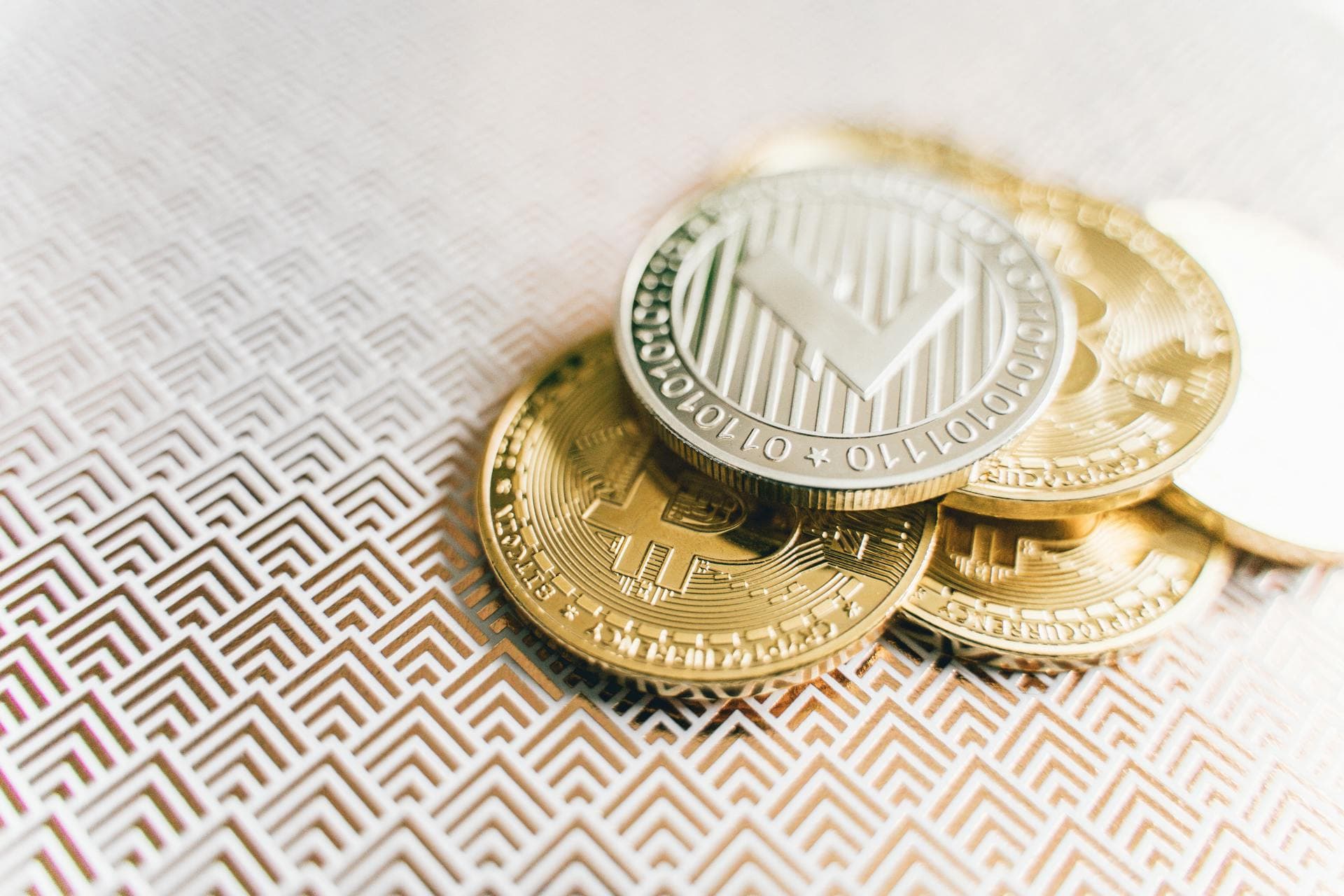
Digital currencies continue to gain traction beyond the world of speculative investing, with users exploring more practical applications for their crypto assets. For individuals and businesses, using Litecoin and other popular cryptocurrencies for shipping delivers all the benefits of blockchain technology, as well as the risks. This article weighs the benefits of buying postage with Litecoin against its risks to help you decide whether it’s a good fit for your shipping needs.
Understanding Litecoin and Crypto-Based Postage
Before we dive into the pros and cons of using Litecoin for postage, here’s a quick overview of how crypto-based postage works.
Instead of using a credit card, you can use Litecoin or your preferred crypto to buy postage and generate a shipping label from your computer. You can do this via a crypto-based postage platform, such as Uspostage.io, which allows users to purchase postage using Litecoin, Bitcoin, and other digital assets.
These platforms typically support major carriers. Uspostage offers shipping labels for USPS, FedEx, and UPS, for example. The process is straightforward: you select a carrier and service, enter the shipping details, pay for the postage from your crypto wallet, and generate your shipping label.
Litecoin (LTC) is the second cryptocurrency created after Bitcoin (BTC), which has earned it the nickname “silver to Bitcoin’s gold.” It’s among the most widely used crypto today, and boasts of faster transaction speeds and lower fees compared to Bitcoin. So, if you’re considering buying postage with crypto, Litecoin is a cost-effective option.
Benefits of Buying Postage with Litecoin
Why should you use Litecoin for your shipping needs? Here are the top reasons:
1. Lower Transaction Fees
Traditional payment methods, like credit cards, typically include processing fees, currency exchange costs, chargebacks, and merchant fees. When you use Litecoin for postage, you can generally expect lower fees because crypto transactions don’t go through intermediaries.
Aside from crypto platform fees, you won’t have to pay for the usual processing fees and, for international transactions, foreign exchange fees. Especially for businesses with high-volume deliveries, the savings can add up to substantial amounts over time.
2. Fast Transaction Settlement
Even among other popular cryptocurrencies, Litecoin often tops the list for the fastest block confirmation times. Current estimates clock transaction settlements at an average of 2.5 minutes. This means you can lock in the rate for your postage and complete purchase more quickly. This speed makes LTC especially helpful for time-sensitive postage purchases.
Faster settlement also means reduced wait times between payment and label issuance, which is crucial for businesses that need to print labels on-demand.
3. Global Access Without Currency Barriers
Like other crypto, Litecoin offers a borderless payment method. This means it’s not affected by exchange rates, cross-border fees, and banking hours so you can transact with Litecoin anytime, anywhere. This is especially advantageous for e-commerce sellers who ship internationally and might otherwise face currency conversion costs or limited payment options.
For individuals who don’t have access to banks, crypto-based postage provides access to mainstream shipping services without relying on a traditional bank account or credit history.
4. Increased Privacy and Control
Users enjoy greater privacy and control over their personal data when using LTC for postage, compared to credit cards or bank transfers. Crypto postage platforms don’t require your personal information when making a payment. Uspostage will ask for an email address in case of shipping issues or if a refund is necessary.
Additionally, users maintain full control over their crypto wallet’s private keys and funds without relying on a third-party intermediary. This level of control reduces the risk of account freezes and chargebacks, which typically occur when using credit cards.
5. Immutable Proof of Payment
Blockchain technology, which powers Litecoin and other crypto payments, provides a publicly verifiable, immutable ledger. Every transaction recorded on the blockchain is tamper-proof; at the same time, anyone on the chain can verify the existence of the transaction. This transparency can be useful for auditing, record-keeping, and dispute resolutions.
For instances when you have to provide proof of payment, you can do so quickly as you won’t have to wait for a third-party institution to generate a statement.
Risks and Challenges of Using Litecoin for Postage
Buying postage with Litecoin also comes with potential downsides. Here are the main risks to consider:
1. Price Volatility
Crypto’s unpredictable price fluctuations, which can go to extremes very quickly, is perhaps the biggest obstacle to mainstream adoption. The value of Litecoin can swing significantly within short periods; this volatility can make postage pricing and, for businesses, shipping costs more complicated.
Unpredictable shifts in prices are generally unwelcome in logistics. If the value of LTC drops sharply between the time you complete payment and the time the postal platform processes the transaction, you may end up paying more in LTC than expected. Rapid price increases, on the other hand, could mean lower shipping costs and greater savings.
In practical terms, any price volatility brings uncertainty to both merchants and customers and can make it especially challenging to budget shipping costs with precision.
2. Fee Spikes and Confirmation Delays From Network Congestion
Litecoin is designed to be a low-cost crypto option, but network congestion can still cause temporary spikes in fees. Additionally, times of heavy blockchain usage can lead to delays in the confirmation of transactions. Miners may prioritize higher-fee transactions, which means low-fee ones wait longer for their turn.
If you have an urgent need to buy postage, especially if you want to lock-in a price or you often have to print labels on-demand, delays due to network congestion can be frustrating. In general, Litecoin fees are usually lower than Bitcoin and other cryptos, but take note that they aren’t immune to the effects of heavy network traffic.
3. Technical Complexity for New Users
Using crypto isn’t intuitive for everyone. For the less tech-savvy, the required knowledge — although easy enough to learn — can add a layer of complexity that you typically won’t have to deal with when using a traditional payment system.
New users have to secure and fund a crypto wallet, understand the process of sending and receiving LTC, and also be aware of private key management, transaction confirmation times, and fee settings. The learning curve is not steep, but it still exists and you have to adapt to avoid mistakes that can lead to lost funds or delayed transactions.
4. Regulatory and Tax Uncertainty
Crypto regulations vary widely by country and these regulations often change rapidly. You have to be aware of the local regulations when using Litecoin for postage; additional rules may apply for international shipments. For example, Litecoin postage purchases may trigger tax reporting obligations, such as capital gains, since many jurisdictions treat crypto spending as a taxable event.
How does this work? If you buy LTC at one price and then spend it later when its value has increased, tax authorities could consider that a gain. For businesses, this adds complexity when maintaining accurate bookkeeping and tax compliance.
5. Limited Mainstream Acceptance
Adoption of crypto-based payments is growing, but not all postal and carrier services accept Litecoin directly. Users often need to rely on third-party platforms, such as Uspostage.io, that act as intermediaries, converting LTC payments into fiat or handling crypto transactions on behalf of users.
This reliance introduces counterparty risk. If the platform experiences technical issues or regulatory pressure, for example, users could face disruptions.
6. Security and Custody Risks
Remember that you have full control over the management of your crypto, which may increase your exposure to risks like hacking, phishing, and loss of private keys. If you lose access to your wallet or fall victim to cybercrime, the funds are likely unrecoverable. Unlike traditional payment methods, crypto transactions don’t usually come with fraud protection and chargebacks.
Businesses and individual users alike must implement strong cybersecurity practices, including secure wallets and multi-factor authentication, to minimize the risk of LTC theft or misuse.
How to Mitigate Risks When Buying Postage with Litecoin
As with all other types of crypto, using Litecoin for shipping labels carries inherent risks. Fortunately, there are practical ways to manage them. Here are some tips:
If the option is available, use stablecoins (crypto pegged to fiat currencies) to pay for postage and settle the transaction to Litecoin internally to reduce exposure to price volatility.
Balance cost and confirmation speed by selecting appropriate fee levels; some wallets let you adjust fees based on current network traffic.
Select a reputable crypto postage platform, like Uspostage.io, with transparent pricing, strong security practices, and established credibility within the space.
Combine cold and hot storage wallets to keep your crypto more secure, and take advantage of multiple security tools, such as two-factor authentication (2FA) combined with a strong and unique password.
For businesses, make sure you’re up-to-date on tax regulations when using Litecoin and other crypto for your shipping needs.
Final Thoughts: Is Litecoin a Smart Choice for Buying Postage?
Using Litecoin for postage offers notable benefits, including low fees, faster processing, global accessibility, and greater control over funds. These advantages can translate into real operational efficiencies and savings for businesses that engage in high-volume shipping.
However, price volatility, regulatory complexity, and technical barriers create challenges for both new and savvy crypto users. Before fully committing to Litecoin-based postage, carefully weigh the benefits against the risks and learn strategies to help you mitigate the latter.
Litecoin and other cryptocurrencies continue to make headway in terms of increased adoption across industries. For both occasional and frequent shippers alike, staying informed about rapidly evolving crypto-based shipping tools will help you make smarter choices in an increasingly changing digital economy.