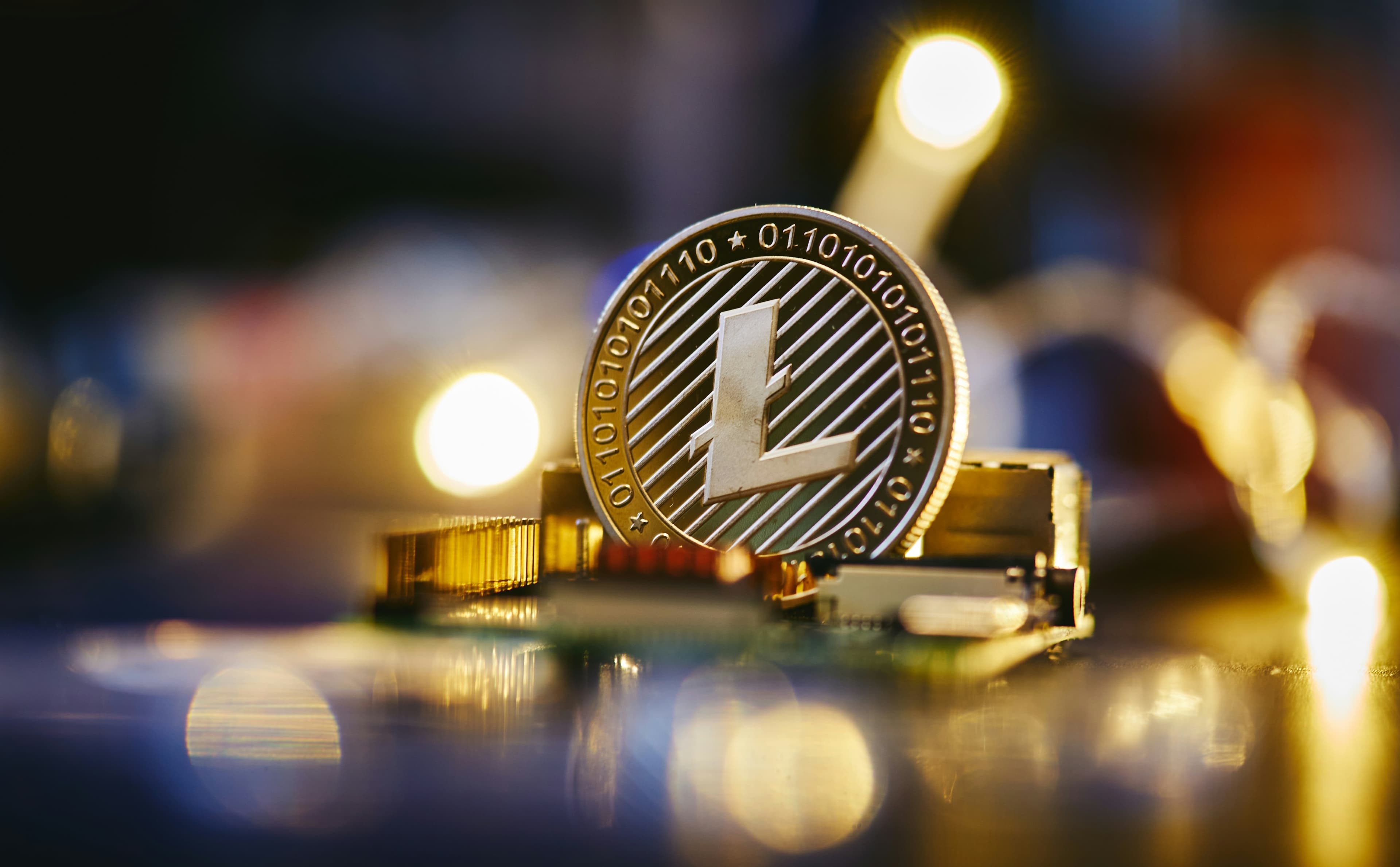
For businesses seeking competitive advantages in an increasingly digital marketplace, adopting crypto payment solutions offers notable benefits. One such practical solution is using cryptocurrency, specifically Litecoin, for your shipping needs. Bitcoin often receives the spotlight, but increasing revenue with Litecoin postage may be the better option. Let’s explore how incorporating Litecoin postage into your shipping process can reduce costs, boost revenue, and even improve customer satisfaction.
Understanding Litecoin and Its Role in Shipping
Litecoin (LTC) was created in 2011 and the second cryptocurrency to be introduced to the public after Bitcoin. Compared to its more popular predecessor, LTC was designed to be a more practical option for everyday transactions. More than 10 years later, it still offers faster transaction confirmation times and lower network fees than other widely used cryptocurrencies.
These two key benefits make LTC a strong candidate for cost-effective crypto payments. For businesses with regular shipping needs, using Litecoin for postage can lead to significant savings over time. Crypto-based postage platforms allow users to pay for shipping labels with major cryptocurrencies anytime, anywhere. This decentralized payment solution eliminates reliance on traditional payment rails and helps make shipping processes more streamlined and cost-efficient.
Why Use Litecoin for Postage
Using Litecoin for postage can offer a range of financial and strategic benefits. Here’s a quick rundown:
Lower costs. Using crypto for postage already delivers savings by eliminating processing fees typically charged by financial intermediaries, like banks and payment processors. If you’re shipping internationally, you’ll also avoid currency exchange fees. And it’s worth repeating that with Litecoin, you can also take advantage of lower network fees compared to other crypto.
Faster confirmation times. Faster transactions mean faster turnaround times, which are always good for business. Litecoin’s average block time is four times faster than Bitcoin. For businesses that frequently deal with time-sensitive or on-demand shipping scenarios, this reduced confirmation time can greatly improve operational efficiency.
Increased customer satisfaction. You can transfer the money you save on postage to your customers by also lowering shipping costs. And when you have a smoother operational flow, thanks to Litecoin’s lightning-speed confirmation times, delays are minimized and the overall customer experience is enhanced.
Lower price volatility. Litecoin is less volatile than other altcoins, which makes it more manageable for payment use. You can quickly convert LTC to fiat currency to further minimize your exposure to price fluctuations.
From Litecoin Postage to Litecoin-Enabled Payments for Revenue Growth
The cost savings and operational advantages of using Litecoin for postage can be a strategic revenue driver. Lower shipping costs translate to higher profit margins or, if you pass the savings on to your customers, happier customers who are more likely to become repeat buyers. More efficient shipping enhances overall operational efficiency, which helps eliminate extra costs usually associated with delays or refund requests from unhappy customers.
Using crypto for your shipping needs presents the opportunity to integrate crypto payments into other systems. This can lead to revenue growth in several key ways:
1. Attracting Crypto-Native Customers
Crypto adoption continues to grow as preference for digital assets over fiat currencies also increases among consumers. When you offer Bitcoin, Litecoin, and other alt coins as a payment option, your business will attract crypto-savvy consumers and capture market share from competitors who have not yet adopted crypto payment solutions.
Enabling crypto payments for your business, especially if you’re an e-commerce store or a small startup, can drive revenue growth from expanded customer reach.
2. Reducing Cart Abandonment
Shopping cart abandonment remains a big challenge for online retailers, and payment friction is one of the most common reasons. Customers typically abandon their carts at checkout when the process is slow or they encounter a payment issue, such as limited options.
Adding major cryptocurrencies to your payment options help reduce checkout friction, especially for customers who want to take advantage of the convenience and savings offered by digital currencies. This integration can significantly increase conversion rates, reduce abandoned carts, and help grow revenue.
3. Enhancing Customer Trust and Loyalty
Crypto users value the privacy, security, and transparency the technology offers, and you also adopt these advantages when you accept crypto payments. It helps you attract customers who prioritize privacy online or want to limit their exposure to credit card fraud.
You can deepen customer relationships further by engaging with them through crypto-based loyalty programs, discounts, and rewards. For example, you can offer a small LTC-specific discount for repeat orders, which also helps increase lifetime customer value.
4. Lowering Overhead and Administrative Costs
Litecoin transactions reduce many of the burdens associated with traditional payment systems, including reconciliation processes, refunds handling, chargeback fees, and compliance overhead. Eliminating these extra costs contribute to a higher net margin. Let’s break these down:
Chargebacks. Because crypto payments are irreversible, there’s no risk of chargeback fraud, which can cost merchants significant time and money.
Simplified accounting. Crypto payments enable automated reconciliation through blockchain-based records.
Reduced banking fees. Lower dependency on banks and payment processors means fewer administrative costs and higher retained revenue.
Addressing Common Concerns
The crypto landscape is still evolving, and resistance to crypto adoption is fairly grounded on valid concerns.
Price volatility. While Litecoin is not as volatile as other widely used crypto, its price can still fluctuate. You can mitigate this risk by converting LTC to fiat immediately.
Regulatory compliance. You should be aware of local regulations for crypto transactions, especially those surrounding tax compliance and anti-money laundering policies. When in doubt, consult a financial professional to help you navigate these requirements.
Security risks. You’re in full control of your crypto assets, which means you’re also in full control of your own security. Protect your wallet with strong cybersecurity structures. Choose a reputable wallet provider and crypto platform, and educate yourself and your team about phishing and other risks.
Final Thoughts
Crypto is no longer a niche all its own, with multiple industries adopting the decentralized technology to leverage its many benefits. In logistics and shipping, using Litecoin for postage is just a small piece of the larger and still expanding crypto-enabled landscape. With major carriers recognizing cryptocurrencies as a legitimate payment option, blockchain-based postage solutions are gaining traction among individual users and businesses.
Using Litecoin for postage represents significant savings over time, which translate to increased revenue. Incorporating crypto-based payments into your business strategy can further drive revenue growth. It reduces transaction costs, taps into a global crypto market, improves checkout experiences, and streamlines administrative overhead, thereby offering several revenue-boosting benefits.
To help maximize these benefits, you should also know how to mitigate the risks that come with using crypto. Use the right tools and platforms, and have proper safeguards in place so you can successfully leverage Litecoin and other crypto to enhance your shipping processes and overall operations.