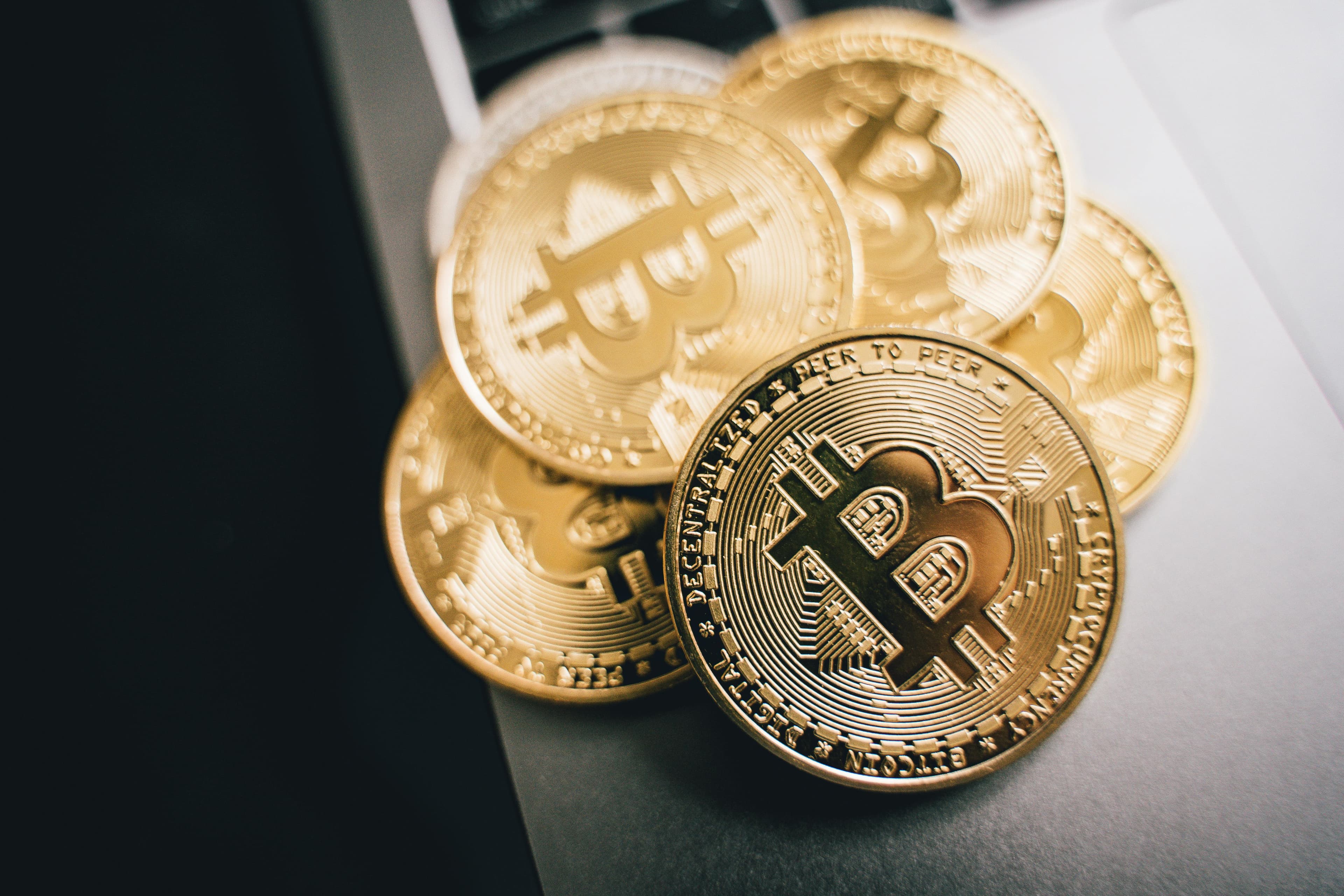
As cryptocurrencies like Bitcoin gain broader acceptance as a practical payment method, more businesses are also beginning to integrate crypto payments into their systems. Postage is no exception. The convenience of printing shipping labels at home can now be combined with the efficiency of blockchain-enabled crypto postage. This article explores the differences between buying postage with Bitcoin vs. traditional fiat currency, highlighting cost, speed, accessibility, security, and long-term potential.
Understanding Bitcoin Postage and Traditional Fiat Postage
Traditional fiat money refers to currency issued by a government (e.g., the U.S. Dollar or the EU’s Euro) whose value is determined primarily by the public’s trust, supply & demand, and the issuing nation’s economic stability. Fiat currency relies on centralized financial systems, such as banks and payment processors, which regulate its use.
When you buy postage with fiat money, the transaction goes through multiple intermediaries before it is approved and settled. The process typically involves fees and restrictions; international transactions go through even more processes before they are settled.
Bitcoin and other cryptocurrencies, on the other hand, rely on a decentralized network. This means there’s no single entity that manages and controls the transactions. Transactions are powered by blockchain technology, which enables direct peer-to-peer transfers and facilitates validation from multiple nodes. The value of crypto is determined primarily by market trends and user perception and sentiment.
When you buy postage with crypto, you send funds directly from your wallet to another wallet. The transaction is validated by network participants and recorded on the blockchain. Typically, you only have to pay for the network fees with each transaction; there are no other fees involved similar to those collected by banks or payment processors for traditional payments.
Cost Comparison: Fees and Hidden Charges
One of the most notable differences between Bitcoin and fiat payments for postage involves transaction costs.
Because traditional fiat transactions go through intermediaries like banks or payment processors, the final cost typically includes processing fees, interchange fees, currency conversion costs, and/or foreign transaction charges. This means the actual cost of the postage is not the final amount you’ll end up paying. Fiat payments, therefore, generally cost more.
Bitcoin transactions typically involve only the network fees, which are paid to the validators or miners. That’s it. Even with international payments, you won’t have to worry about currency conversion and foreign transaction fees. Take note that network fees may fluctuate depending on network traffic, but the total cost you’ll pay for postage when using Bitcoin is still significantly lower compared to traditional payment methods.
For those who regularly ship globally or in high volume, savings from Bitcoin postage can add up overtime. When Bitcoin fees spike during periods of heavy network usage, fiat money may be the more cost-effective option, particularly for small-value or time-sensitive shipments.
Speed and Settlement Time
A lot of factors influence settlement time for fiat payments. Banking hours, banking days, holidays, and the number of intermediaries involved often slow down the processing of payments. Settlement for traditional payments typically take one to three business days; for international transactions, settlement may take longer.
In comparison, Bitcoin transaction settlement usually takes anywhere between a few minutes and an hour, depending on network usage. This more efficient settlement time also applies to international payments, and is made possible by the decentralized and direct peer-to-peer nature of blockchain technology.
For time-sensitive or on-demand label generation, Bitcoin postage is the more practical option.
Accessibility and Global Reach
Fiat-based purchases depend heavily on access to banking infrastructure. To pay with fiat money, you must have a bank account, credit card, or approved payment method. This can exclude individuals in underbanked regions or those facing banking restrictions.
Bitcoin is borderless by design. All you need is an internet connection and a digital wallet to purchase postage, regardless of location. This makes Bitcoin particularly valuable to international sellers, remote entrepreneurs, and users in countries with limited access to traditional financial services.
Privacy and Data Protection
Going through traditional payment methods involves Know Your Customer (KYC) requirements and ongoing transaction monitoring. This means users are required to share personal and financial information with banks and other financial institutions. The data you share is stored by multiple entities, which increases your exposure to data misuse or breaches.
When you use Bitcoin or other crypto to make payments, you don’t need to share sensitive information with anyone. And you have full control of your crypto wallet, including your public and private keys. This gives you a higher level of privacy. Bitcoin transactions are not completely anonymous, but they do reduce the amount of personal financial data you have to exchange during a transaction.
When using a crypto postage platform such as Uspostage.io, you will be asked to provide an email address in case of issues or a refund request.
Security Considerations
Traditional financial systems are vulnerable to data breaches, fraud, phishing, and other security issues. There are protections in place that are designed primarily for consumers; however, these vulnerabilities also affect merchants who don’t always have the same level of protection as consumers.
The security measures for Bitcoin/crypto transactions apply equally to both the sender and the receiver. Once validated, each transaction is recorded on the blockchain and becomes tamper-proof — it cannot be altered, reversed, or deleted. This reduces fraud risk for everyone involved, and places the responsibility for accuracy on the user. The downside is that if a user sends crypto to the wrong address, the transfer cannot be undone.
Price Stability and Volatility
Fiat currency is more stable than Bitcoin and other crypto. The value of any fiat money may fluctuate depending on economic trends, but the fluctuations are usually not drastic. Bitcoin, on the other hand, is more volatile; its value can go up or down significantly over short periods.
These unpredictable fluctuations can complicate pricing and accounting for shipments, especially for merchants that ship frequently or in high volume. To manage this risk, crypto postage platforms usually calculate shipping costs in fiat currency, and then convert the amount to Bitcoin at the time of purchase.
When paying with fiat currency, you can expect consistent pricing from one day to the next. If you’re shipping internationally, however, changing currency conversion rates may also cause postage prices to fluctuate
Ease of Use and Adoption
For obvious reasons, fiat money is easier and more familiar to most users. Fiat payments are mainstream and more straightforward; customer support is also widely available.
Using Bitcoin requires a learning curve. Users must understand crypto wallets, private keys, transaction confirmations, and basic blockchain concepts. Crypto postage platforms make the process of generating labels with crypto fairly straightforward and user-friendly, but it still may not be intuitive enough for first-time users who have yet to learn the basics.
As the generation of crypto-natives become active consumers and with public understanding of digital currencies grows, adoption will also continue to expand.
Regulatory and Compliance Differences
Fiat currency is tightly regulated and has established consumer protection systems, dispute resolution mechanisms, and compliance standards. While these centralized and standard regulations provide reassurance, they also create friction and restrictions that negatively impact user experience.
Regulations surrounding Bitcoin and other crypto, on the other hand, vary by country. Some jurisdictions fully support crypto transactions; others impose strict rules or limitations. If you want to use crypto such as Bitcoin for shipping, make sure you’re familiar with local laws. It’s also crucial that you choose a reputable crypto postage platform to ensure that they comply with applicable regulations.
Bitcoin vs. Fiat Currency: What Does the Future Look Like?
The better choice depends on individual/business needs. It’s important to understand the advantages and disadvantages of each option so you can choose the more practical solution.
The comparison between digital and traditional currencies is more about expanding choice, and not about competition. They can co-exist and complement each other, offering individuals and businesses more flexibility. Blockchain technology is still evolving and as it matures and as regulations become clearer, crypto-based shipping solutions are likely to go mainstream.